

PELVIC HEALTH
IS FOR EVERY BODY
we believe that
Pelvic health is for every body.
Pelvic health is for every body.
Our Vision:
We envision a future where pelvic health is widely understood, culturally competent, and integrated into overall health and wellness across the lifespan, with equitable access and dignity for all communities.
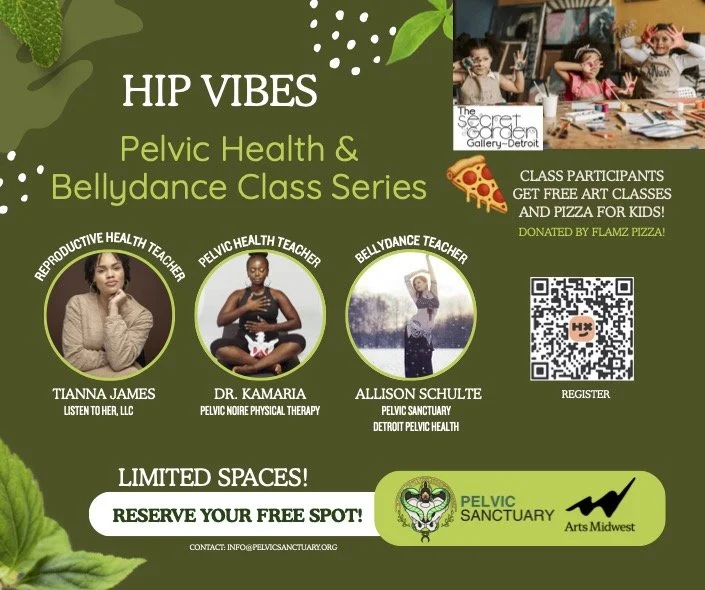
Pelvic Sanctuary is a nonprofit advancing equitable access to pelvic and reproductive health education through community-based programs that empower people to understand their bodies, advocate for their health, and access affirming care.
We Do This Through
Community Education Workshops
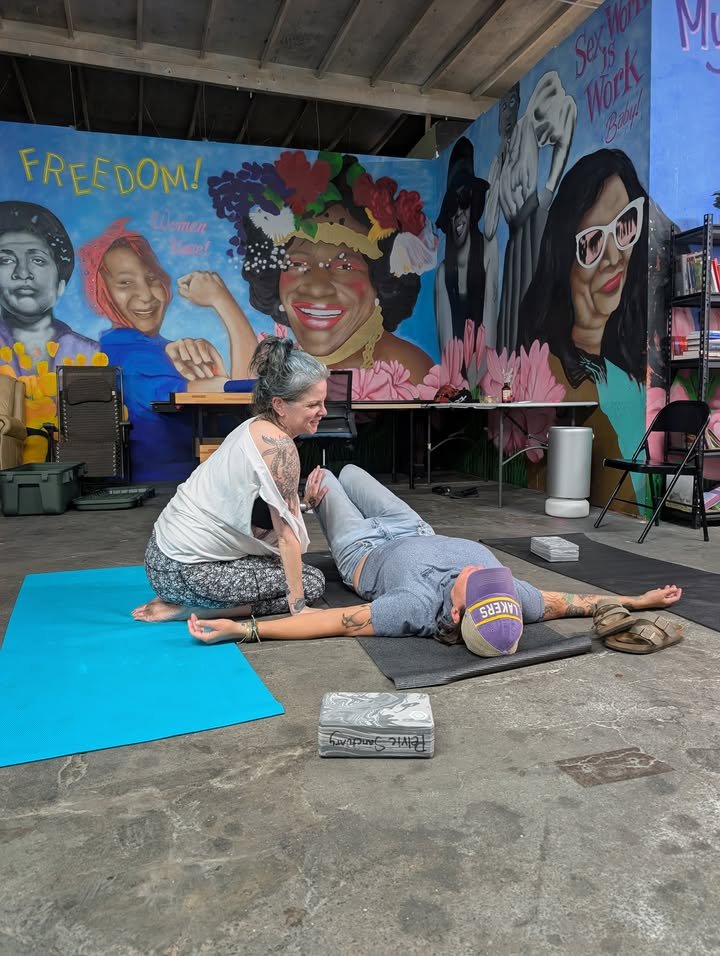
Movement & Wellness Programs
Healthcare Provider Training
Community Partnerships
Advocacy & Outreach
Reproductive Health Resource Distribution
Free Educational Resources

"Pelvic Sanctuary has been a critical partner, providing culturally competent education while helping healthcare providers reduce stigma, bias, and barriers to care."
— Soma Snakeoil, Executive Director
The Sidewalk Project, Skid Row-Los Angeles
"Their work fills a critical gap and contributes meaningfully to the health and resilience of our community."
— Heather M. Bill, Program & Engagement Coordinator
Gilda's Club Metro Detroit
"Pelvic Sanctuary has become an engaged and valued community partner through its collaborative programming and neighborhood-based wellness efforts."
— Joseph Rashid, Executive Director
East Warren Development Corporation, East Detroit
Pelvic health concerns — including pelvic pain, bladder and bowel issues, and core dysfunction — are common and often overlooked. Education and early support can reduce discomfort, improve quality of life, and prevent long-term complications.
Pelvic Sanctuary partners with community organizations and service providers to deliver accessible, culturally responsive pelvic health education in settings where it’s most needed.
“Pelvic Sanctuary has been a vital partner in delivering workshops that help participants better understand and manage their pelvic health.”
— Soma Snakeoil, Executive Director, The Sidewalk Project
Partners & Funders




36%
of physical therapy programs fail to include pelvic health education, focusing narrowly on childbirth-related conditions. This neglects the broader spectrum of pelvic health disorders and reinforces disparities in care for all genders, including transgender, nonbinary, and male individuals.
31%
of transgender individuals report pelvic pain, yet many are hesitant to seek care due to fear of discrimination.
25%
of women will experience at least one Pelvic Floor Disorder, with higher prevalence and severity in BIPOC women due to disparities in awareness, access to care, and timely treatment.